Welcome to SICHANGO VISION TECHNOLOGY
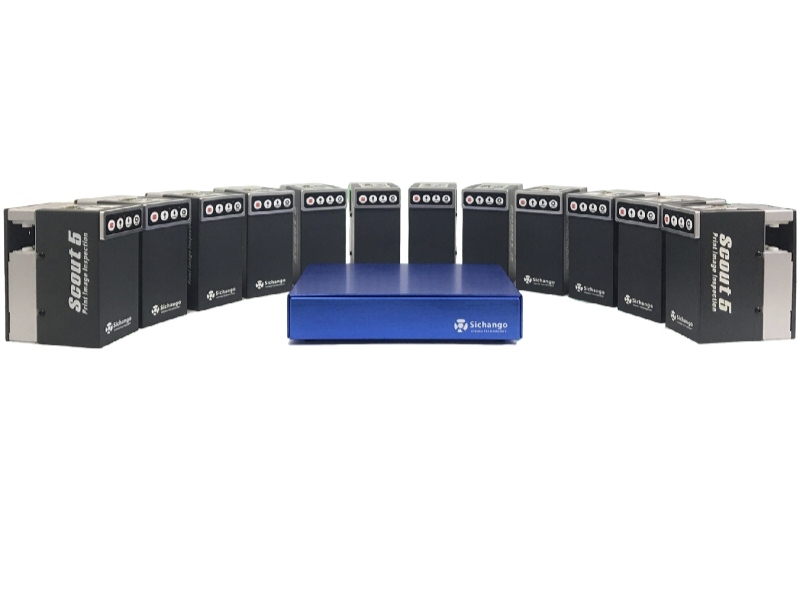
Several multi Cameras Video Web Inspection System Working In One Flexo Printing Machine
- Max 16 cameras
Advantages of Using Multiple Camera Inspection Systems for Flexographic Printing Quality Control
In modern flexographic printing, ensuring superior print quality and consistency is crucial. Implementing a system with multiple camera-based inspection units to monitor print quality offers significant advantages. Here’s why this approach is a game-changer for flexographic presses:
1. Comprehensive Real-Time Monitoring
With multiple cameras strategically placed across the printing machine, it becomes possible to monitor every critical stage of the printing process, including:
Ink application: Ensuring consistent ink density and distribution.
Registration marks: Checking alignment across multiple colors and print stations in real-time.
Substrate quality: Detecting defects like scratches or imperfections before final output.
This all-encompassing surveillance ensures that no detail is overlooked, resulting in higher print quality and fewer defects.
2. Faster Defect Detection and Correction
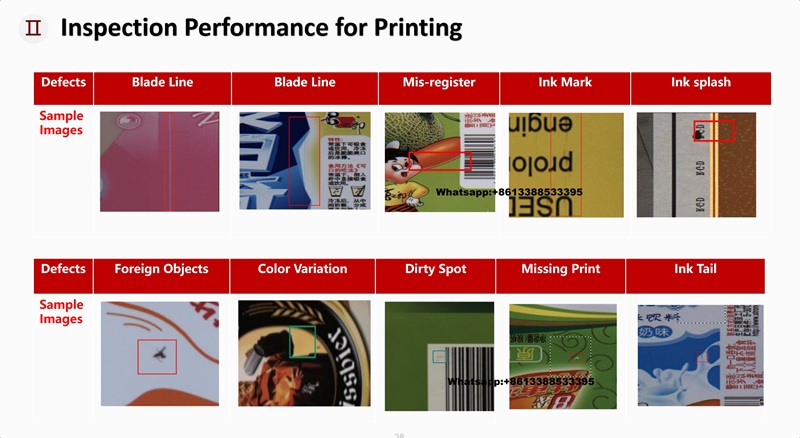
Multiple cameras allow for a division of monitoring responsibilities, enabling faster detection of:
Color misalignments.
Ink smudges, streaks, or voids.
Missing elements or inconsistencies between sections.
Operators are notified immediately about any deviations, allowing corrections to be made without stopping the printing process. This minimizes downtime and reduces waste.
3. High-Speed Adaptability
Flexographic presses often operate at high speeds to maximize productivity. A multi-camera inspection system can handle this by simultaneously monitoring various parts of the press at high resolutions without compromising accuracy. This ensures consistent output even during high-speed production runs.
4. Enhanced Precision Across Complex Designs
For multi-color or intricate designs commonly seen in packaging, labels, or flexible packaging, multiple cameras ensure:
Each color layer is perfectly aligned.
Fine details are accurately replicated.
Complex patterns are error-free and visually appealing.
This level of precision is especially critical for industries with strict quality standards, such as food and pharmaceutical packaging.
5. Reduced Material and Ink Waste
By identifying issues as they occur, a multi-camera system prevents defective prints from accumulating. This reduces the need for:
Reprints and wasted substrates.
Excess ink consumption caused by undetected defects.
This not only cuts costs but also makes the production process more environmentally friendly.
6. Scalability for Different Printing Needs
A multi-camera system can be tailored to flexographic printing machines of varying sizes and complexities. Whether it’s a CI flexo press, stack flexo press, or a narrow-web flexo press, the system can be configured to meet specific production demands.
7. Improved Operator Efficiency
Instead of relying on manual checks, operators can focus on optimizing machine performance while the cameras handle quality inspection. The system’s ability to provide real-time feedback empowers operators to:
Quickly address issues.
Adjust parameters for better results.
Reduce reliance on labor-intensive inspections.
8. Elevated Customer Satisfaction
By ensuring consistently high-quality prints, multiple camera inspection systems help flexographic printing businesses meet customer expectations and establish a reputation for reliability and excellence. High-quality output reduces product returns and builds long-term customer trust.
Conclusion
Integrating multiple camera inspection systems into a flexographic printing machine enhances quality control, reduces waste, and improves operational efficiency. For businesses in the flexible packaging, label printing, and other print industries, this advanced technology is a valuable investment that ensures precision, boosts productivity, and delivers superior results every time.

 English
 Español
 Русский